One of the most frequently asked questions about composting is: How long does it actually take for my waste to turn into valuable compost? This is exactly where the SUPERCOMP shows its strength. Thanks to sophisticated technology, optimal ventilation, and stable conditions, it transforms kitchen and garden waste into high-quality humus up to three times faster than conventional composters. If you don't want to wait years, but want to achieve visible results quickly, the SUPERCOMP is an excellent choice.
Factors influencing composting time – and why the SUPERCOMP is faster
Basic decomposition time of waste
Depending on the type of waste, the finer and softer it is, the faster it will turn into compost. Bone fragments or thick branches take longer, but can also be composted. You can remove the first raw compost after just 6-8 weeks. Over time, the compost will become finer and finer.
Basically, fertilizer should be applied as needed—or when the SUPERCOMP is full. If you do not need the compost immediately, you can easily store it in the garden. Only due to the complete aeration of the SUPERCOMP is fully ventilated, even in the core of the pile, can such a quick harvest be possible.
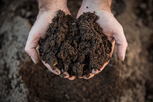
Compost quality according to time stages
Fresh compost in 2-3 months
Suitable for fertilizing lawns, soil surfaces, and roots.
Fresh compost in 5–6 months
can be used in the garden or vegetable patch immediately before sowing/transplanting.
Mature compost in 10–12 months
can be brought into direct contact with seeds and roots.
How quickly individual types of waste compost
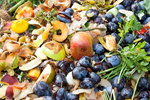
- Fruit and vegetable scraps: very quickly, often within a few weeks
- Coffee grounds and tea bags: fast, promote microorganisms
- Grass clippings: fast, hot composting at 70–80 °C
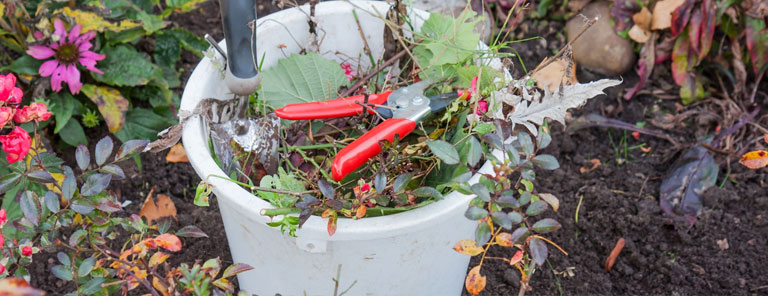
- Leaves and plant debris: medium duration
- Woody materials and branches: slow, shredded significantly faster
- Bone fragments: very slow, only suitable in small quantities
What influences the composting speed
- Degree of waste shredding
- Balanced ratio of nitrogen and carbon
- Amount of organic waste: The more, the faster
- Moisture in compost
- Activity of compost organisms
Why the SUPERCOMP composts particularly quickly
The SUPERCOMP provides a complete oxygen supply even in the inner core of the pile thanks to its vertical ventilation. This keeps microorganisms and compost worms highly active and allows them to do their work particularly quickly. Decay is prevented, decomposition is accelerated, and the compost can be harvested early—without any laborious turning.
What advantages does a composter generally offer?
A composter reduces organic waste, produces valuable fertilizer, and closes natural cycles. Composting correctly saves disposal costs and improves soil quality in the long term.
FAQ – Frequently asked questions about composting time
When can I harvest the first batch of compost?
The first raw compost is often available after just 6–8 weeks.
Why does composting sometimes take longer?
Coarse materials such as unshredded branches and dry conditions can slow down the composting process.
Can I use immature compost?
Yes, fresh compost is suitable for lawns and soil surfaces.
Do I have to wait until everything is fully ripe?
No, compost can be used at different stages of maturity depending on requirements.
Does the SUPERCOMP really speed up the process?
Yes, through complete ventilation and stable conditions.